WashU Rheumatology currently offers a range of rheumatology-related clinical studies spanning autoimmune and inflammatory diseases, novel therapeutics, optimization of existing treatments, and patient-centered outcomes research.
These studies are designed not only to deepen our understanding of complex rheumatic conditions at the biologic and molecular levels, but also to translate those insights into more effective, personalized care strategies that support improved quality of life and long-term health for patients across diverse populations.
Our Investigators
Seth Eisen, MD, MSc
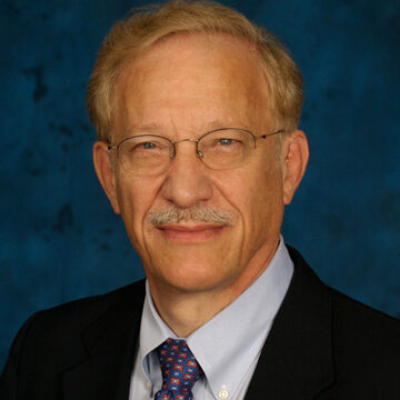
Research blurb here
Michael Paley, MD
Paley Lab: HLA-B27 Research

The goal of the Paley Lab is to better understand how HLA molecules lead to autoimmunity. Our current focus is on HLA-B27 and its role in spondyloarthritis and uveitis. We have developed a cohort of patients with HLA-B27+ autoimmunity and corresponding healthy controls to understand why some people develop T cells that cause disease, while others do not. We are interested in what tissues these cells are first activated and what happens to them to initiate disease.
Deepali Sen, MD
Team PHV Drives 4-Fold Increase in Rheumatology Clinic Follow-Ups Through Transitional Care and Social Work Intervention

Under the leadership of Dr. Deepali Sen, the multidisciplinary team, Team PHV: Waleed Ali, MD, Brendan Lally, MSW, LCSW, Andrew Robinson MSW, LCSW, Ashley Poore, Patrice Odom, Jessica Seal, Kelly Nessel MBA, has helped hospitalized patients transition to outpatient care in rheumatology clinic.
With the addition of Brendan Lally MSW to the group, the team has been able to provide discharged patients with social work screening and assistance with barriers to care. Transitional interventions also included placing a medical assistant call within a week to establish early follow up. These interventions have shown significant impact, recent analysis show patients who received phone call within 1 week had a four-fold higher chance of follow up within 1 month. Patients who received social work screening showed higher rates of follow up even at 6 months post intervention.
Team PHV helps patients with continuity of care. Long term impact on clinic follow up seen with social work intervention post hospitalization. The rheumatology division has focused on transition care interventions after hospital discharge since 2021.
These interventions have shown significant impact, recent analysis show patients who received phone call within 1 week had a four-fold higher chance of follow up within 1 month. Patients who received social work screening showed higher rates of follow up even at 6 months post intervention.
Clinical study informational resources
There are clinical studies throughout the United States. Find more information about general clinical studies at the following resources:
- American College of Rheumatology Clinical Trials information in English and in Spanish
- View the National Institute of Health (NIH) listing of clinical trials throughout the world
- Visit the NIH general information page or check out the find a study tool
- The Lupus Foundation of America has a clinical trial matching online tool
- The Arthritis Foundation also has a trial finder tool
Clinical trials, also known as research studies or patient studies, are essential in the fight against disease. They determine if new treatments are safe and effective and work better than current treatments.
Clinical studies help us find new ways to treat and learn about rheumatologic diseases. They are a vital tool in improving the quality of life for people during and after treatment.
When you take part in a rheumatology clinical study, you add to our knowledge and help improve care for future patients.
- The research team will explain all the study details, including potential benefits and risks.
- Each study is monitored to make sure it is as safe as possible, and your study records are kept private and confidential.
- Only the research team and your doctor or nurse will have access to your records.
- You can leave a study at any time for any reason.
- We have a number of rheumatology clinical studies at WashU.
- Learn more about other clinical studies at WashU
- The Volunteer for Health program supports patient-oriented research at WashU. Find more information and join the Research Participant Registry.
- What is the purpose of the study?
- What do I have to do?
- How long will the study last?
- What are the risks and side effects?
- Will it cost me anything?
- Will I receive money?
- Can I withdraw at any time?
- Will the study help me now?
The principal investigator is the doctor in charge of the clinical study. He or she prepares a plan–or protocol–for the study. The protocol explains what will be done
during the trial, including:
- The reason for doing the study
- Who is eligible for the study
- How drugs or treatments will be given, what dose and how often
- What medical tests will be done and how often
- What types of information will be collected