Conferences form the core of fellows’ didactic learning. To prepare fellows for independent practice and boards, we follow the American College of Rheumatology’s Core Curriculum . In fact, 100% of fellows pass the American Board of Internal Medicine Rheumatology board certification exam on their first attempt.
Conference Schedule
| Monday | Tuesday | Wednesday | Thursday | Friday | |
|---|---|---|---|---|---|
| July – August | “Rheummersion” | US Bootcamp “Rheummersion” | |||
| September – June | Translational Research Conference or Health Advocacy Case Conference Clinical Didactics, Immunology, or Quality Improvement | Grand Rounds Clinical Didactics, Immunology, or Quality Improvement |
“Rheummersion” is a rheumatology immersion experience. We do not expect incoming fellows to have working knowledge of rheumatology (I certainly was clueless when I started fellowship), and we dedicate the first eight weeks of the year to teaching foundational principles of rheumatology. Topics include the basics, like rheumatoid arthritis, spondyloarthritis, lupus, systemic sclerosis, Sjogren’s Disease, crystalline arthritis (with hands-on synovial fluid microscopy instruction), vasculitis, rheumatology emergencies, rheumatology physical examination skills, and rheumatology medications, among others.
Musculoskeletal Bootcamp occurs in the first 8 weeks of each academic year. Led by Deborah Parks, MD, a team of clinicians with RhMSUS certification teach first-year fellows an introduction to musculoskeletal ultrasonography and build upon those skills with more advanced topics during the second year. We supply ultrasound machines at all clinical sites, and fellows practice their skills throughout the year.
Clinical Didactics run September through June and rotate on a two-year schedule. The result? Fellows encounter a plethora of advanced clinical rheumatology topics over the course of their two-year fellowship. We emphasize active learning and often incorporate requested topics to appeal to fellows’ interests.
The Immunology Conference, which is held 3-4 times a month, provides foundational knowledge of the immune system related to autoimmunity and organ injury. Given that the pathophysiology of most rheumatic diseases is rooted in immune dysfunction, this is a core knowledge area for rheumatologists. Supplementing the didactic lectures are journal clubs on key papers that highlight immunologic principles central to various rheumatic diseases.
Held weekly, Grand Rounds integrates case presentations with state-of-the-art lectures. Fellows typically prepare three-to-four interesting cases with a literature review their first year sprinkled amid talks from visiting professors, musculoskeletal radiologists, and colleagues seeking input on their most complex cases. Interesting and varied, there’s something for everyone at Grand Rounds.
The three pillars of academic medicine, patient care, research, and education, converge in our weekly Translational Research Conference. Investigators in clinical, translational, basic science, public health, and medical education research discuss works-in-progress. In this conference, fellows also lead journal clubs of recently published studies.
WashU Rheumatology partners with Infectious Diseases and Nephrology to explore the impact of social risk factors on health outcomes in the quarterly Health Advocacy Case Conference. Content changes annually with past sessions including workshops in writing op eds and field trips to off-campus sites where community partners focus on health advocacy.
We combine online modules from the American Academy of Medical Colleges with simulations to teach fellows principles of patient safety and quality improvement. Inspired fellows may advance their patient safety & quality improvement skills in scholarship.
Fellowship and learning should be fun, and we integrate “extras” into the curriculum each year.
- “FUNuary:” The month of February can be dreary, but not in our fellowship! Sessions focus on fellow wellbeing during what can be a low point in the year.
- Midwest Mountain Rheumatology Collective (MMRC) Rheumatology OSCE: The MMRC is a collaboration among rheumatology fellowship programs at WashU, University of Colorado, University of Alabama – Birmingham, and Northwestern University. Every year, we host a virtual rheumatology observed structured clinical exercise (ROSCE) for fellows to network and receive feedback on their clinical skills. We promise. It’s a fun day. Just ask the second-year fellows.
- Inservice Training Exam (ITE): OK, the ITE may not be exactly fun, but it is an essential component of preparing our fellows for the American Board of Internal Medicine Rheumatology certification exam.
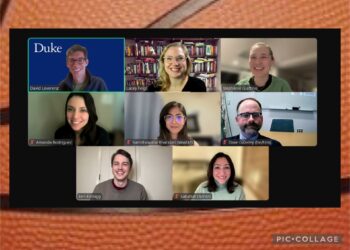
- Rheum Madness: RheumMadness is an educational “tournament” — created by Dr. David Leverenz at Duke and inspired by the NCAA’s March Madness format — that uses friendly competition to drive deep engagement with the rheumatology literature. In past years, WashU Rheumatology fellows and their participation in RheumMadness have been featured on national podcasts. The tournament is a high-yield, low-stakes way for fellows to survey a year’s worth of pivotal literature, sharpen critical appraisal skills, and connect with a broader community of rheumatology trainees nationally — all while having a little fun arguing about whether CAR-T belongs in the Final Four.